

The Resume Is Losing to the Portfolio, and Gen Z Knows It
Employers are shifting from resumes and degrees to skills-based hiring, with portfolios of real work now outweighing GPAs and credentials. Gen Z, having grown up building and sharing work publicly, is well-positioned for this shift—students who can show tangible projects will have an edge in the 2026 job market.

What Employers Actually Mean When They Say They Want "Problem Solvers"
"Problem solver" has been on every job posting for so long it's become noise — but the demand behind it is more specific than ever. As automation takes over routine work, what remains requires human judgment, ambiguity tolerance, and the ability to build the process, not just follow it. The gap between what employers need and what graduates can demonstrate keeps widening, and a diploma alone isn't closing it. The programs that bridge this divide are the ones putting students in front of real challenges with no predetermined answers — because that's the only way to actually develop the skill everyone claims to be hiring for.
Why Brands That Invest in Students Now Are Winning Later
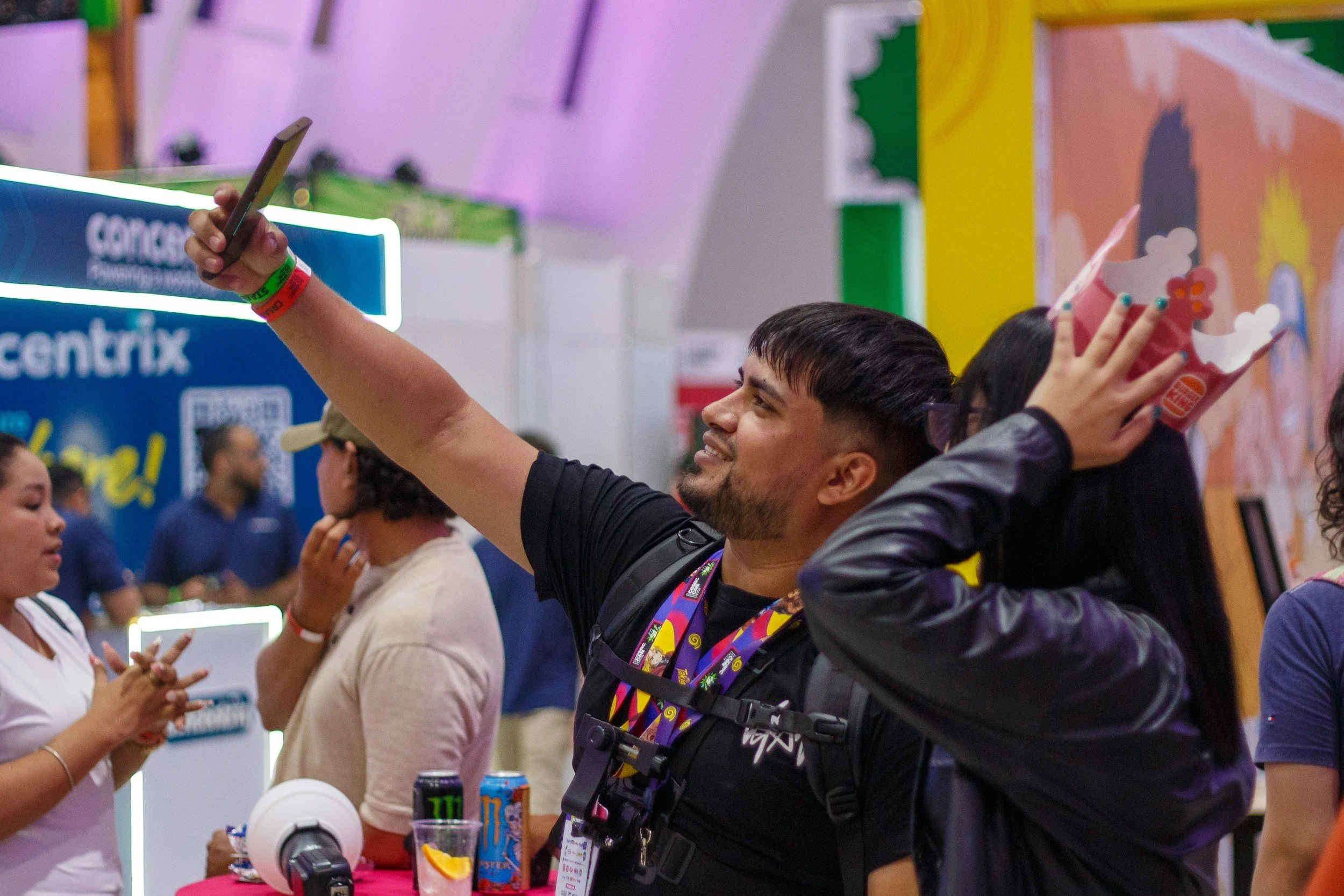
Most brand partnerships with universities barely scratch the surface. But the organizations building real equity with Gen Z are doing something different: bringing students into actual work, with real challenges worth solving. The return goes beyond goodwill. Brands that show up as genuine partners in the classroom earn trust that no campaign can manufacture, while quietly building a pipeline of future employees who already believe in them. For the brands that haven't figured this out yet, the window is closing.

The “Boos” Heard at UCF’s Graduation Were Warranted, and Here’s Why:
The boos at UCF are about a generation that did everything right and is now being asked to play a game that no longer feels fair. How we help level the playing field for the next generation will make all the difference in what comes next.

Social Causes and Gen Z: It's Personal
Gen Z’s engagement with social issues is shaped by what feels immediate, personal, and reflective of their everyday lives. From human rights and climate change to mental health and economic pressure, their priorities are rooted in both global awareness and lived experience. For brands and organizations, this means moving beyond performative messaging and demonstrating real, tangible commitment—because Gen Z evaluates trust, loyalty, and alignment based on action, not just words.

Gen Z and Micro-Communities Over Mass Audiences:
Gen Z is moving away from mass audiences and toward smaller, interest-driven micro-communities where trust and peer connection matter most. For brands and organizations, this shift means real engagement happens not through broad messaging, but by showing up authentically within these tight-knit spaces and fostering meaningful, community-driven interactions.

The Importance of Cultural Fluency in Marketing
Cultural fluency is no longer a nice-to-have. It’s a core marketing skill. Here’s why understanding, collaborating with, and learning from communities leads to more credible, effective messaging.

Why Top-Down Solutions Fail in Community-Based Work
Top-down solutions often miss the nuance, trust, and lived experience that real change requires. Here’s why community-led approaches create more relevant, sustainable, and lasting impact.

Experiential Learning Is No Longer Optional - It’s Essential.
As the gap between classroom learning and workforce expectations widens, experiential learning has become non-negotiable. Here’s why embedding real-world experience into higher education is essential for equity, access, and career readiness.

Understanding Gen Z’s Need for Authenticity:
As Gen Z grows increasingly skeptical of traditional advertising, authenticity has become the true differentiator. Here’s why real voices, values-driven brands, and community-led content are what earn their trust.

The AI Fatigue Is Here: Why Human-Centered Marketing Is the Future
As audiences grow tired of AI-generated content, authenticity is becoming the differentiator. Here’s why human-led programs are regaining trust and relevance.